Green Twigs / Journal / Laundry
Laundry microfibres: the quiet plastic problem in every wash, and what helps
Synthetic clothes shed tiny plastic fibres in every wash. What the evidence says about the size of the problem and the small laundry habits that genuinely reduce it.
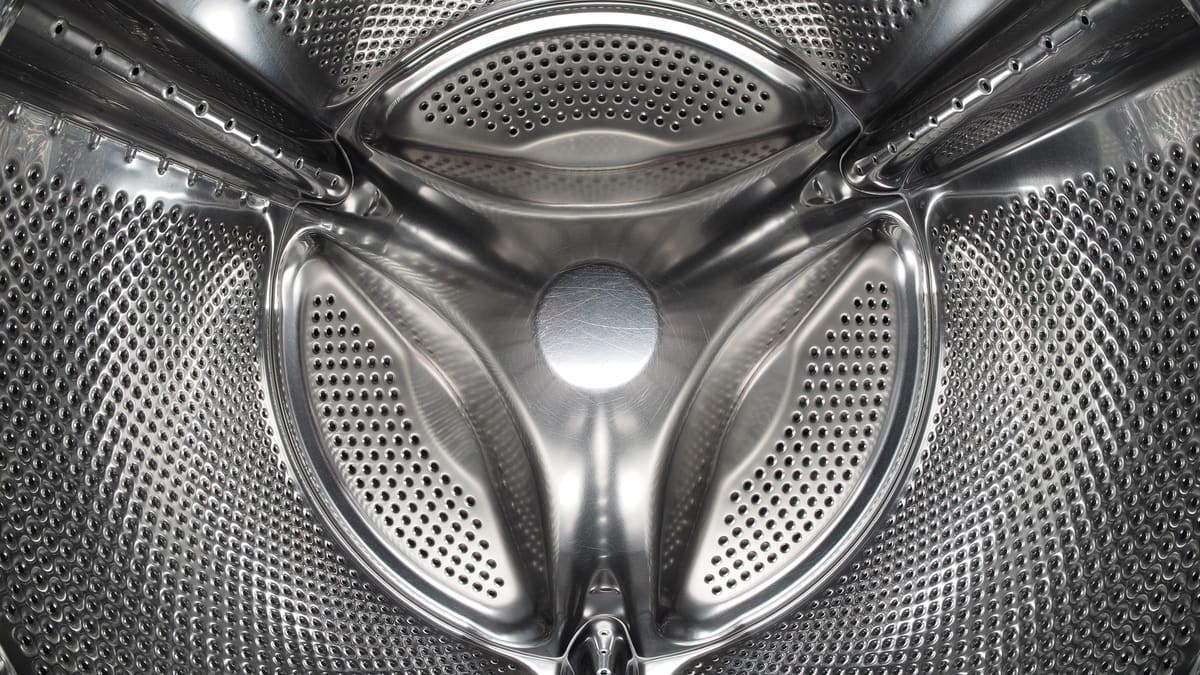

The fibres in a typical fleece or sports top are, mostly, plastic. A wash releases some of them into the drain. The honest size of the problem, and what actually moves the needle at home.
Polyester, acrylic, nylon and polyamide are plastic. Clothes made from them shed short fibres whenever they move against each other, and a washing machine moves them quite a lot. The fibres are small, often under a millimetre, so they pass through most wastewater treatment and end up in rivers and soil where treatment plants have no process to remove them.
How big is the problem, honestly
Several peer-reviewed studies have estimated the fibre release from a typical wash of synthetic clothing in the range of 100,000 to over a million individual fibres per load, depending on fabric age, detergent type and wash settings. That is a wide range because the research is young and the fabrics vary enormously. The direction is not in doubt; the exact figure for your household is hard to pin down.
Whatever the per-wash count, the UK Government's own 2022 impact assessment on microplastic pollution identified clothing washing as one of the larger land-based sources of microplastic reaching UK waterways, alongside tyre wear.
What helps, in rough order of effect
Wash less often
This is the biggest and least-discussed intervention. Most synthetic clothing, particularly outdoor layers and jumpers, does not need to be washed after each wear; it needs to be aired. A fleece has no sweat to clear in the way a running top does, and running it through the machine every week ages it faster and sheds fibres each time.
Fill the drum properly, and wash cold
A fuller drum means less friction, and cooler water means softer fibres that break less. 30°C or lower is enough for almost all household laundry. The Energy Saving Trust has clear numbers on the household energy saved by washing cooler; the fibre-shedding benefit comes free with it.
Shorter spin
High spin speeds tear at fabric. A medium spin, or the delicates cycle, reduces shedding measurably in the research. Clothes come out a little wetter; hang them up for an extra hour.
A filter or a bag
A microfibre catching bag (a mesh bag you put the synthetic clothes into before the wash, like the Guppyfriend) or a wash-machine filter catches a share of the fibres that would otherwise drain away. The published studies show reductions in the order of 20 to 50 per cent, not 100. They are a useful add-on, not a full fix. France made in-machine filters a legal requirement on new domestic machines from 2025; the UK has not yet done the same.
Choose natural fibres where it is realistic
Wool, cotton, linen and hemp shed natural fibres. The shed is not plastic and the fibres do break down. For jumpers and base layers, a merino or lambswool top wears for years and sheds nothing problematic. For sports gear and waterproofs, synthetics are hard to avoid; keep the rotation small and look after what you have.
What to look for in a washing machine
If you are buying a new machine, the useful features are a built-in lint and fibre filter, a cold-water or quick-cold programme, and a drum size that matches the household. A smaller household with a larger drum ends up washing partial loads, which shed more per item. The market has started to label microfibre reduction cycles on higher-end models; the evidence for them is early and mixed, so do not pay a large premium for the label alone.
A note on what does not help
Buying a special eco detergent does not meaningfully change fibre release in the published studies, though it may be gentler on skin and water. Fabric softener is widely sold as a laundry fix; in practice it coats fibres and is not required.
A short routine that works
- Air synthetic layers after wearing. Wash only when they are actually dirty.
- Run full loads at 30°C with a shorter spin.
- Use a fibre-catching bag or a drum filter for the full synthetic loads.
- When a top or fleece wears out, buy its replacement in wool, cotton or a WRAP-aligned closed-loop polyester if you need the technical feature.
No single step is dramatic. Together they halve or more the fibre release from a typical household wash, which is roughly the gap between a household that cares about this and one that does not. The best news is that most of the moves also make clothes last longer; see our longer note on household swaps for the same thinking in the kitchen.