Green Twigs / Journal / Kitchen
Plastic-free kitchen swaps that actually work (and the ones that do not)
A frank list of low-plastic kitchen swaps we have kept using and the ones that quietly went to the back of a drawer: beeswax wraps, solid dish soap, cotton pouches and more.
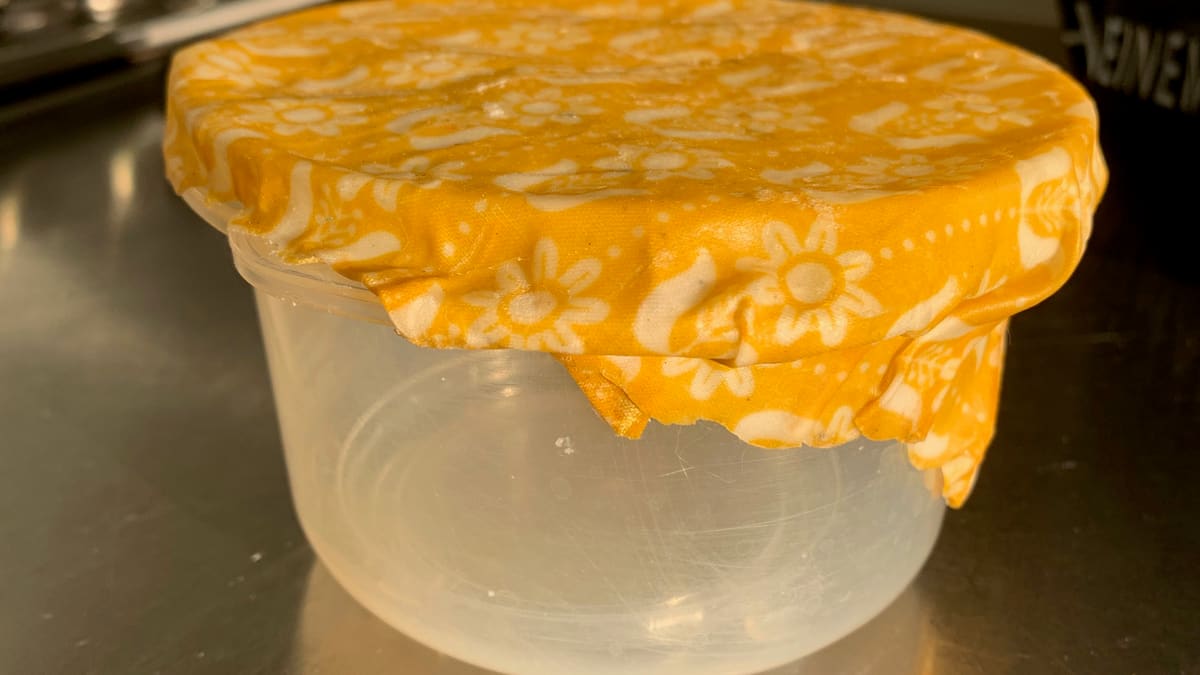

Half of what gets sold as a plastic-free swap is a good idea. The other half quietly ends up at the back of the drawer within a month. The difference is almost always in how you cook, not the product.
These notes come from running an actual kitchen, not from a product review. We have ignored every item that is only sold as an aesthetic. The swaps below are grouped by whether we are still using them.
Swaps we still use
Solid dish soap
The pucks from British ethical brands last for months and work on everything short of serious baked-on fat. A half-decent wooden-handled brush with a replaceable head goes with it. The bottle of liquid soap stays under the sink for a weekly roasting tin, and we use about a quarter of what we used to.
Reusable produce bags for dry goods
Light cotton drawstring bags last for years. They are the right answer for mushrooms, loose nuts, baking supplies and anything from a refill shop. They are a nuisance for wet herbs; those still go in a paper bag or a pocket of the shopping basket.
Loose tea and a strainer
Most supermarket tea bags still contain a small amount of polypropylene in the seal. Loose-leaf tea in a tin and a small stainless strainer makes a better cup of tea and sidesteps the question entirely. Taylor's and Yorkshire both sell loose versions of their own-brand blends.
Metal tins for leftovers
Stainless lunchboxes go in the dishwasher, do not stain and, after five years, look exactly the same. Glass is the obvious alternative and works just as well; plastic takeaway tubs are the one thing we have been glad to stop replacing.
Swaps we expected to love
Beeswax wraps
Useful for a half-cut lemon or a bowl of leftover rice overnight. Not useful for anything you want to cover once and forget: the wax cracks at the fold, and after about six months the hygiene starts to feel borderline. We keep one in rotation and rely on a lidded dish for the rest. Better than clingfilm, but not the clingfilm replacement the packaging suggests.
Shampoo bars
Soft water area, long hair, honest result: fine, not identical. In a hard water area the same bar will leave a residue that undoes the point. A refill-pouch of regular shampoo saves roughly the same amount of plastic without the trade-off.
Compostable cling film
Breaks at the slightest tension and does not cling. In practice we use a plate on top of a bowl, which is free, works and has been doing the job for a hundred years. See the longer note on compostable plastic for why we are careful with that word.
Swaps we have given up on
Loofahs for washing-up
Nice idea, mouldy sponge at the end of week one. Natural fibre washing-up brushes with a replaceable head are a far better bet.
Wooden-handle razors with disposable heads
This one is only in the kitchen article because we tried using one to scrape pans. Do not.
Stainless steel straws in a drawer
We have not put a straw in a drink at home in five years, and nor has anyone who stays. Skip the straws and buy a jug.
A word on the bigger wins
The most-plastic items in most UK kitchens are not the utensils; they are the recurring purchases. A fortnightly refill run for pasta, rice, oats, flour, laundry powder and washing-up liquid replaces far more plastic than any single swap. Zero Waste Scotland maintains a reasonable overview of refill shops, and many towns now have one on the high street. Shops come and go, so check opening hours before you lug an empty five-litre bottle across town.
If you are composting the vegetable scraps while you are at it, see our beginner compost bin guide. The two habits sit well together.
What to try first
- Switch the dish liquid for a soap bar for a month. If you miss the bottle, go back; most people do not.
- Buy two cotton produce bags and leave them in the shopping basket.
- Eat your way through your current tea bags, then try loose-leaf for a week.
These are small, honest changes. They will not save the world. They do, over a year, remove a surprising stack of empty plastic bottles and film from the kitchen bin.